App coming soon
Close the lid.
The agents keep running.
A session lives on a box you own. Any glass attaches. The app window is just a view.
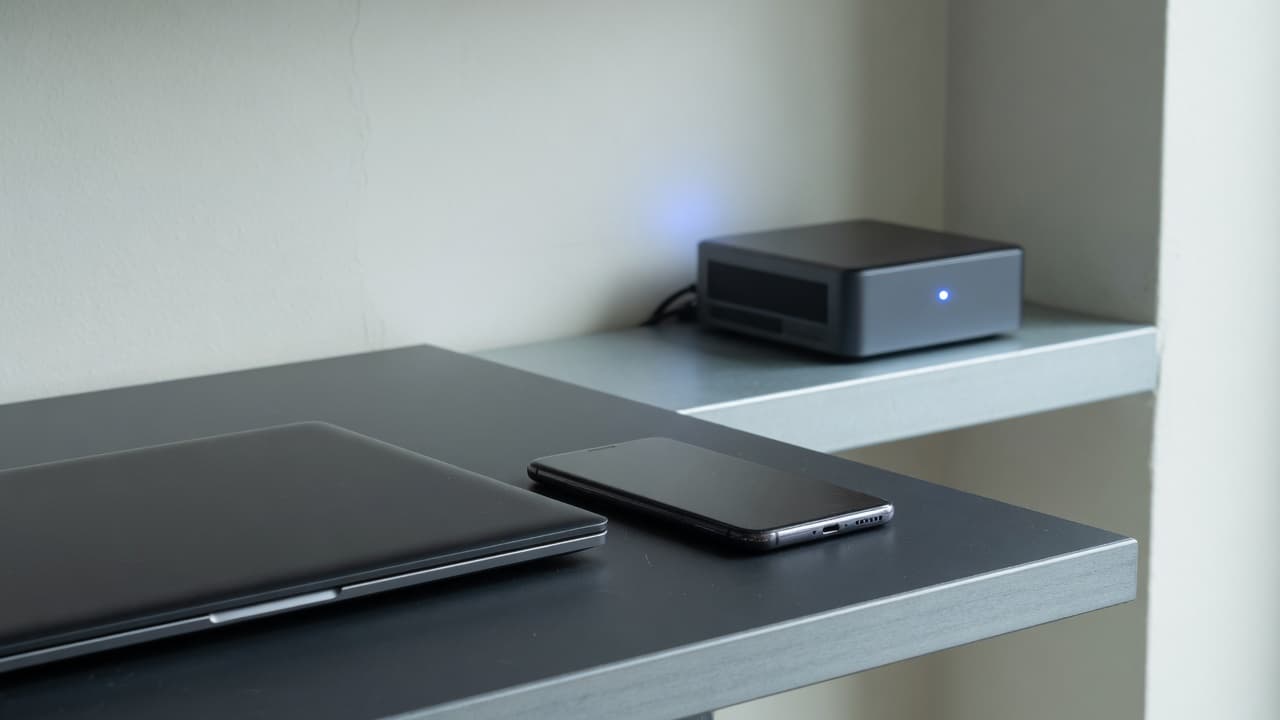
Four jobs. Everything else waits.
Persist
Quit the app. The process is still there.
1 of 4A session lives in muxd, not in a window. Reopen on an awake machine and the scrollback is waiting.
Attach
Change glass. Type one answer. Close the tab.
2 of 4Mac, another PC, browser, phone: each client is a view with its own viewport. The writer is still the same PTY.
Spawn
Any CLI. No wrapper.
3 of 41session spawn --session work --server vps1 -- claude. The argv is the agent. We give a PTY and an address.
Plug in your server
The box that stays on is yours.
4 of 4Add a host. Home groups Local against vps1. 24/7 means muxd's host stays on, and the agent is already installed there.
This machine. Dies if you close the lid.
A Local session lives on the laptop in front of you. Sleep it, and the agent dies. The UI says so. 1SessionTool will not pretend to teleport a live pane onto a VPS.
A host that stays on. Lid-close is safe.
Add a server. Home groups Local against vps1. 24/7 means muxd's host stays on, and the agent plus the repo plus the credentials are already installed there.
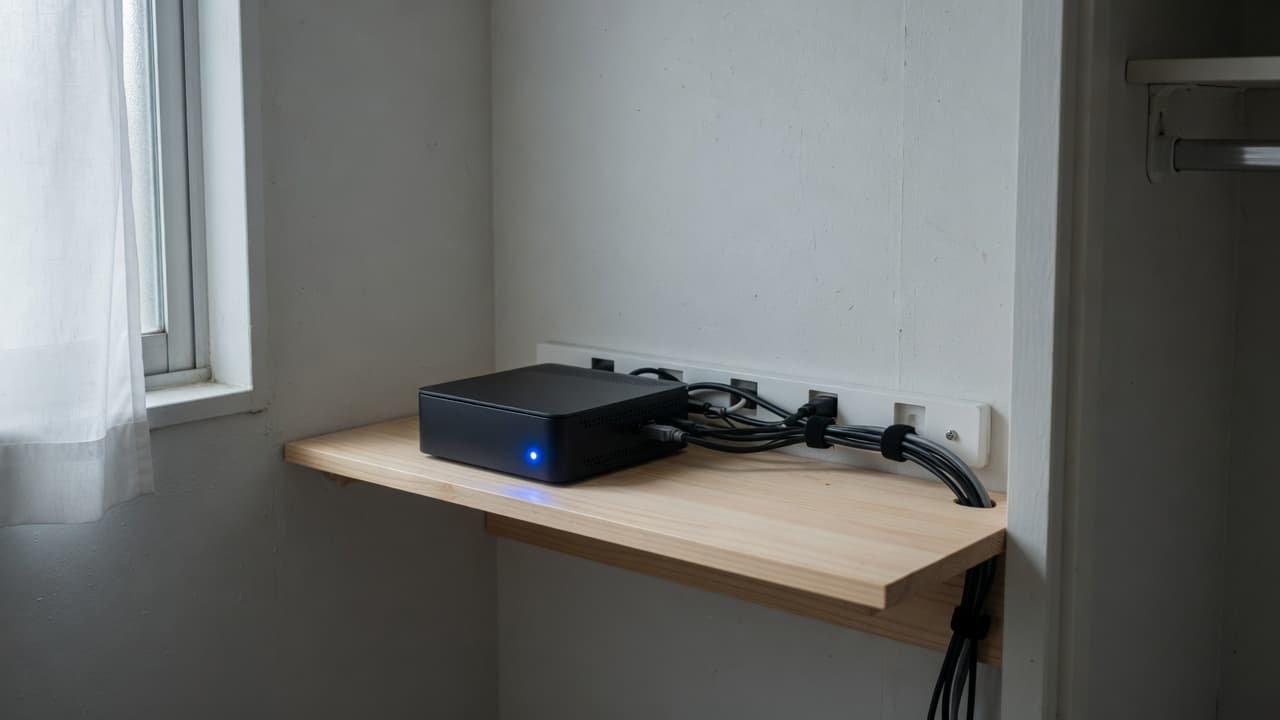

Attach from another OS or a browser. Type one answer. Close the tab. The writer is still the process on the host.
What this is not
Not a terminal emulator brand.
What you see in v1 is a terminal pane because the first app type is vt. Terminals are the first application on the session, not the last.
Not tmux with a theme.
Same job: don't lose the process. Different product: no prefix, native scroll, attach from app, browser and phone, an API for agents. We do not beat tmux at being tmux.
Not a Claude, Codex or Grok wrapper.
Vendor remotes steer their agent in their app. We give a provider-neutral PTY on a box you own.
Not 1DevTool.
1DevTool is a workbench. 1SessionTool is the session layer. 1DevTool can list and embed a pane. Quitting the workbench does not kill it. Session is useful with zero other apps installed.
The CLI is 1session. The argv is the agent.
No vendor wrapper. claude is a command, not a product inside the multiplexer. HTTP and IPC sit next to the CLI so 1DevTool and other agents can drive a pane.
$ 1session server add vps1 --host mux.example.com$ 1session session new work$ 1session spawn --session work --server vps1 -- claude$ 1session attach workPhone as glass. Not as a computer.
The agent is already running on vps1. You close the Mac lid. The phone opens a web client, attaches to the same session, and steers. Work is not on the phone. Work is not on the sleeping Mac.
One-time license
muxd and the 1session CLI are free on machines you run. Paid: native desktop clients, polished attach, share, and updates.
A public dollar amount is not on this page because the PRD has not published one. When it does, it will live in one file and show up here, in JSON-LD, and on /pricing.
Straight answers
Where does the agent actually run?+
On the machine where the pane was spawned. Clients never run the agent. There is no StoicSoft cloud agent, and there is no on-phone agent. If you want the work to survive closing the lid, start it on a host that stays on.
What happens if I start a session on my laptop?+
That session is Local. If the laptop sleeps or reboots, the process dies. The UI says so. 1SessionTool will not pretend to teleport a live Local pane onto a VPS. Attach is the same process, another view. Handoff (copy then spawn new) is not v1.
Do I need 1DevTool, 1NetworkTool or a StoicVPS box?+
No. Paste a host, install muxd yourself, and you have a complete product. Studio buttons call the other apps when they are installed. A missing app does not break Session.
Can I attach from my phone?+
Yes, as glass. v1 is a web client: list, read, type, best-effort ping. The work is not on the phone and not on a sleeping Mac. The agent is already running on a remote muxd host. Native phone apps may slip past v1.
What is the CLI called?+
1session, not 1sessiontool. Verbs include server add/ls/start, session new, spawn, attach, ls and wait. claude is argv. There is no 1sessiontool start claude code.
Is there a cloud account?+
No required cloud account. Local binds to the user. Remote uses mutual auth per server. Phone uses the same auth as web. Lost phone means revoke.